Facebook Case Study #15: Scaling Canadian Movers with HYPE Ad Flow

🚛 How OttawaBestMovers.ca Lowered Cost-Per-Lead While Attracting Better Clients Through Facebook

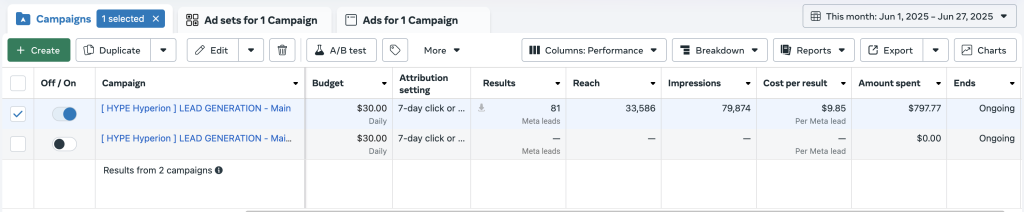
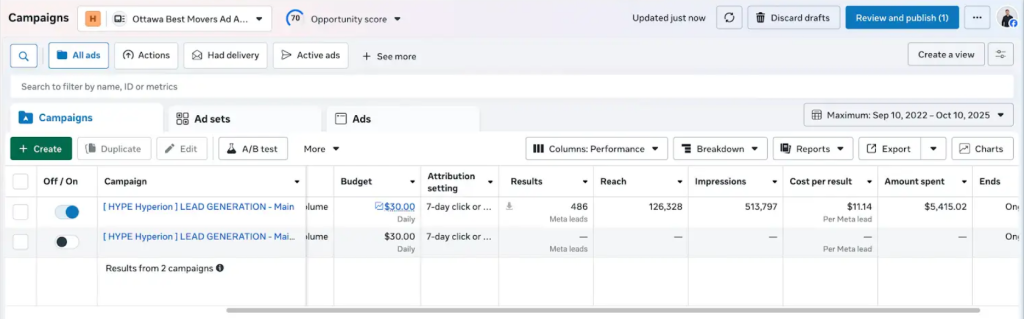
In the summer of 2025, we partnered with OttawaBestMovers.ca, a reputable moving company based in Canada’s capital city. Their goal wasn’t just lead generation — it was high-quality, pre-qualified moving inquiries at a sustainable price. By leveraging our proven HYPE Ads methodology and a streamlined lead form designed for maximum clarity and conversion, we achieved impressive results: qualified leads for as low as 9.85 CAD.

But this wasn’t just about volume. It was about getting the right kind of leads: individuals or families ready to move, with a clear plan, budget, and timeline — not tire-kickers looking for rough estimates or vague pricing.

🎯 The Challenge: Getting Better Leads Without Overpaying

The Canadian moving market, especially in cities like Ottawa, is highly competitive. Many companies rely on platforms like Google Ads or Yelp Ads, where search intent is strong but lead quality is mixed. These platforms often attract price-driven users who are comparing 5+ movers at once and choosing the cheapest.

Our client wasn’t looking to compete in that race to the bottom. Instead, they wanted leads early in the planning cycle, people who would value their experience and trust the process — even if it wasn’t the cheapest option.

🧠 The Strategy: HYPE Ads + Lead Form With Smart Approach

We approached the campaign with two core principles:
🔹 Create emotionally compelling video ads that speak to common fears and frustrations of moving
🔹 Implement a multi-step lead form to pre-qualify and build trust before the sales conversation even begins

Let’s break down each component. 🧐

🎬 Video Ads That Speak to Real Concerns

The first step was launching high-converting video ads on both Facebook and Instagram. These ads focused on the actual moving process — not stock imagery, not vague “we’re great” messages, but real movers handling real furniture, wrapping plates, and carefully preparing items for relocation.

Our ads are intentionally designed to reflect the core concerns of people actively searching for moving services. We focus on what truly matters to them: working with responsible movers, making sure everything happens on time, guaranteeing that their belongings arrive 100% safe and undamaged, and delivering a process that feels stress-free and convenient. Rather than generic branding, we lead with clear, emotionally grounded messaging that speaks directly to those priorities — because that’s exactly what drives action.

facebook ads examples

By keeping the tone professional but human, and focusing on everyday moving fears and pain points, we drew in users who resonated with the message. These people weren’t just curious — they had intent.


📋 The 5-Step Lead Form That Filters for Quality

Clicking through on the ads brought users to an in-platform Facebook lead form, designed with a clean interface and structured progression. Each step had a purpose:

🔹 Headline with a promise:
“Get your quote for a hassle-free move.”
This opening message set the tone. It was friendly, casual, and made it clear that the process would be short and informative. Emojis and a conversational tone added warmth and approachability.

🔹 Move size selection:
Instead of asking vague questions, we offered concrete choices: “Studio apartment,” “Small 1 Bedroom,” “Large 2 Bedroom,” etc. This helped the sales team estimate effort and set realistic expectations.

🔹 Date input:
Users were asked when they planned to move — not just for scheduling, but to gauge urgency. Someone moving “next week” is very different from someone just browsing for the fall.

🔹 Postal code:
We asked for a future postal code to better map out logistics and potential costs. Even if users didn’t have the final address yet, this question prompted a level of commitment.

🔹 Contact information verification:
Before submission, users were prompted to double-check their phone number and email. This reduced junk leads and minimized the chance of sending incorrect info to the sales team.

Together, this structure created a low-friction but high-intent form. Users didn’t feel overwhelmed, but each question added context and value. By the time a submission came in, the sales team had enough detail to follow up with confidence.

lead form based on the 5 steps


⚙️ Automation and Sales Process Integration

Lead capture was just the first step. We plugged each lead directly into an automated CRM workflow that included:
🔹 Instant SMS and email confirmations
🔹 Internal notifications to the client’s team
🔹 A suggested follow-up script based on user selections

This tight integration meant zero lead delay, keeping response times fast — a critical factor in conversion rates.

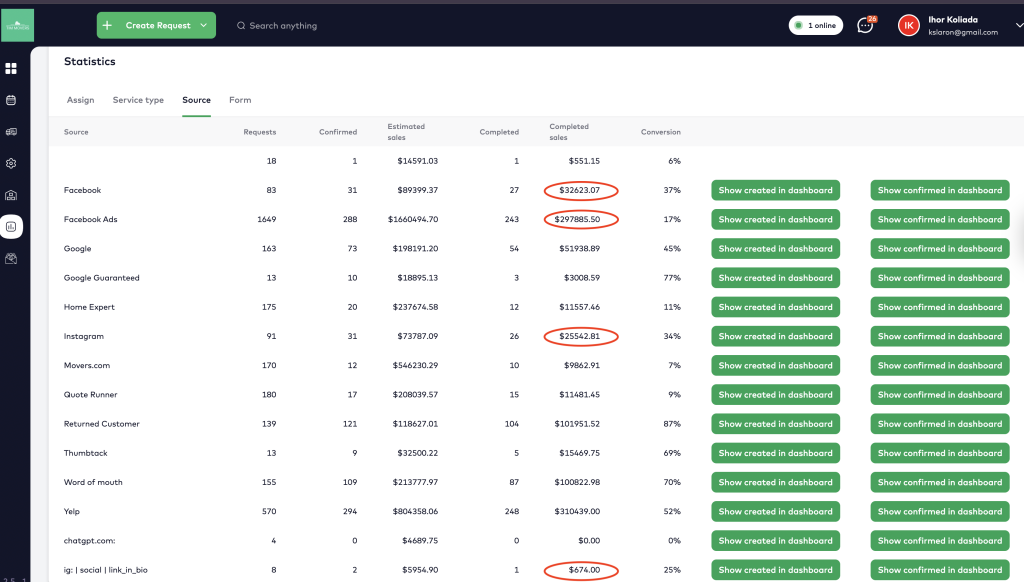
💡 Why Facebook Beats Google for This Use Case

Many businesses default to Google or Yelp Ads for lead generation. These platforms have high search intent, but in moving services, this often comes at a cost: price-sensitive shoppers, late-stage comparisons, and increased competition. It’s a race to the lowest bid.

Facebook, on the other hand, allowed us to:
🔹 Reach users earlier, before they even starting gathering information
🔹 Control the narrative, showing why this mover is trustworthy and efficient
🔹 Pre-frame expectations, emphasizing experience over low cost

In short, Facebook gave us the space to market the value, not just the service.

📈 The Results: High Quality, Low CPL, and Happier Clients

By the end of June 2025, the numbers spoke for themselves:
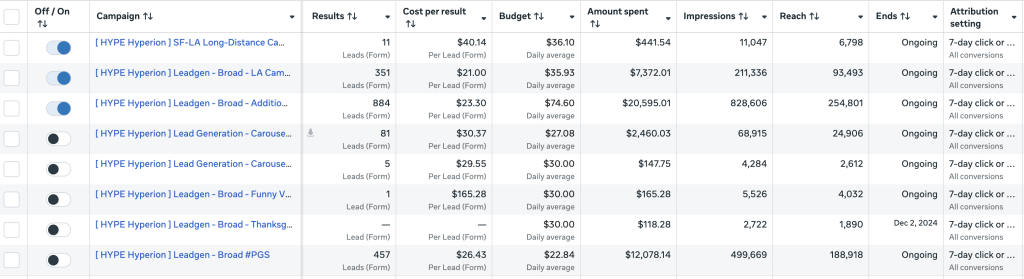
🔹 Cost per Lead: as low as $9.85 CAD
🔹 Average Lead Conversion Rate (to booked move): up to 25%
🔹 Lead Quality: Pre-filtered, with complete information including move size, date, and location
🔹 Average Job Value: Significantly higher than those coming from Google Ads

More importantly, the type of customers changed. Instead of price-hoppers asking for 5 quotes, our client was talking to homeowners and renters looking for a stress-free experience, willing to pay for quality.

🏁 Why This Approach Works — And Keeps Working

For service-based businesses like moving companies, Facebook advertising for movers remain one of the most underutilized tools when deployed with the right strategy. It’s not just about reach — it’s about positioning, pre-qualification, and automation.

OttawaBestMovers case proved that you don’t need to spend a fortune on leads — you just need to be intentional about who you’re targeting and how you capture their interest.

Insurance-Based Lead Generation for Vein Clinics

Insurance-Based Lead Generation for Vein Clinics

Attracting new patients to a vein clinic isn’t just about showcasing your services — it’s about knowing how to present the right offer to the right audience. In one of our most successful Facebook ad campaigns to date, HYPE Hyperion helped a U.S.-based vein treatment clinic generate a consistent flow of qualified leads using an insurance-first approach. The core idea behind the campaign was simple: most people don’t know that their insurance may already cover the cost of a vein assessment. And that small knowledge gap created a major opportunity.

Why Insurance-Covered Offers Resonate So Well in Healthcare

The clinic we partnered with, Vein and Wound Experts, offers cutting-edge vascular care, treating everything from spider veins and varicose veins to chronic wounds. Their team includes board-certified vascular surgeons and specialized nurse practitioners — which makes it all the more important to fill their calendar with patients who actually qualify for treatment.

vein clinic about us

The strategy we designed took that qualification process and turned it into the marketing message itself.

Rather than advertising generic services like “vein treatment” or “varicose vein removal,” we created messaging around a free vein assessment — but with a crucial caveat. The assessment wasn’t actually free to the provider. It was covered by the patient’s insurance, and we only booked appointments for individuals with active coverage. That way, the clinic didn’t waste time or resources on unqualified leads. More importantly, we positioned the offer as low-friction for the patient, which eliminated cost concerns and encouraged action.

For many Americans, the idea of a “free” medical service usually comes with strings attached. But in this case, the campaign leaned on a legitimate billing process that worked within the rules of most insurance providers. And that honesty — paired with clever marketing — made all the difference.

How Facebook Ads Turned Awareness Into Action

Once we had the offer nailed down, the next step was getting it in front of the right audience. We chose Facebook Ads as the main channel, because it allowed us to reach middle-aged women — the demographic most likely to suffer from vein-related conditions — in a hyper-targeted way. We built custom audiences based on age, interests, and behaviors associated with healthcare engagement.

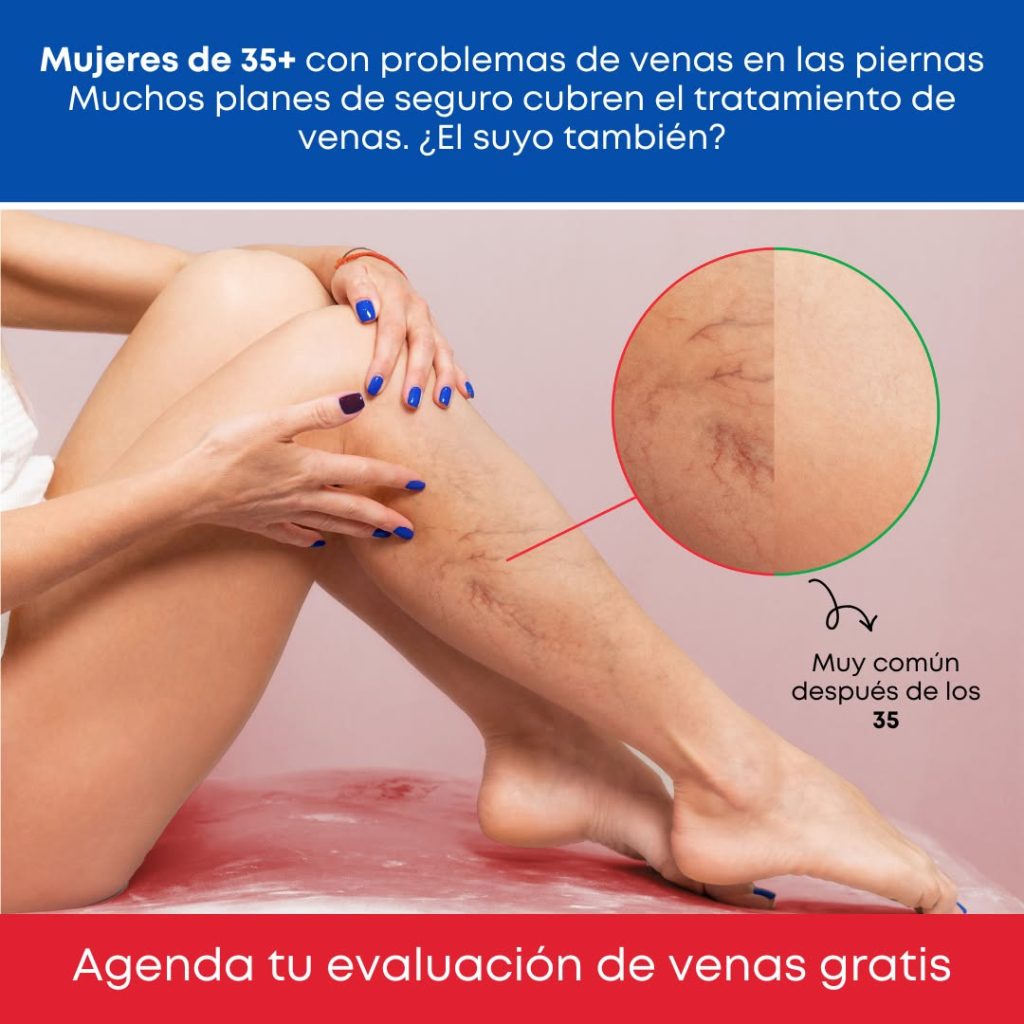
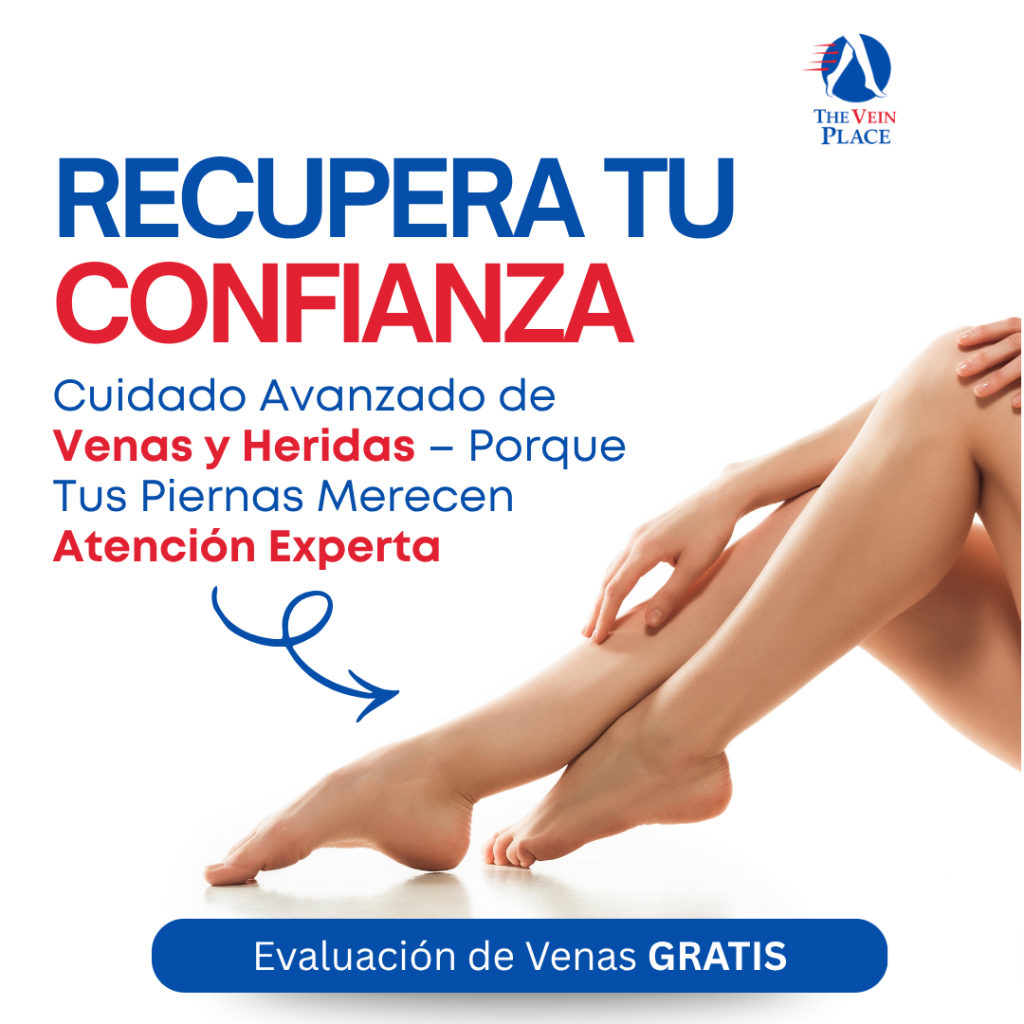
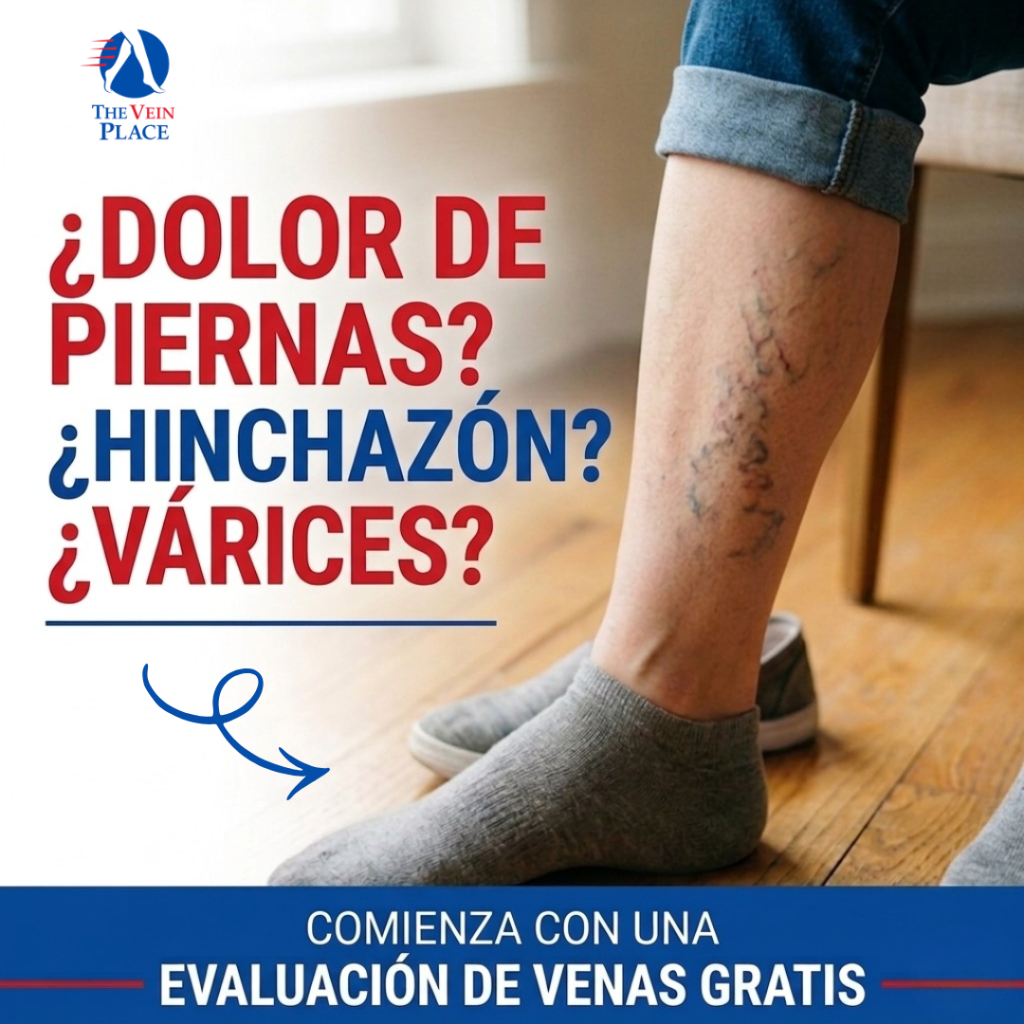
Vein Clinic Ads Example-2

The creative was critical. Simply saying “Book Now” wasn’t enough. We tested multiple versions of the ad and found that the best performers included urgency-driven headlines like “Get a Free Vein Assessment — Offer Ends Friday” paired with before-and-after imagery of real patients who had undergone successful treatment. One version featured a woman in her early 40s standing confidently in shorts, with copy that read, “Feel comfortable in your skin again — let insurance cover your first step.” The response was immediate.

Vein Clinic Ads Example-2

By emphasizing benefits — both aesthetic and health-related — and showing proof of real results, the ads stopped users mid-scroll. The promise of an insurance-backed offer added credibility, while a limited-time frame introduced a sense of urgency.

Lead costs varied across ad sets, but our most efficient ones consistently brought in leads for $9–$14, which is a strong benchmark in the healthcare space, especially for high-ticket procedures like endovenous ablation.

From Leads to Booked Appointments

Generating interest is only half the battle. The real success of this campaign came from the systems we had in place to turn attention into appointments.

go high level logo

Using GoHighLevel, a CRM system built specifically for appointment-based businesses, we set up a complete lead nurturing funnel. Each new lead was automatically sent an SMS and an email with a personalized link to book their free assessment. If they didn’t respond within 24 hours, they received a polite reminder. If they still hadn’t booked after 48 hours, the system notified the clinic’s front desk to make a follow-up call.

ghl lead crm system example-1

This blend of automation and human touch is what makes all the difference in the medical niche. Unlike retail or ecommerce, where purchases are instant, healthcare decisions often take days — even weeks. But with proper follow-up sequences, we were able to convert over 40% of leads into actual appointments, which significantly reduced the clinic’s no-show rate and maximized their scheduling efficiency.

The team at Vein and Wound Specialists was also trained to use the platform effectively. Their staff could track each lead’s status in real time, make calls directly from the CRM dashboard, and send quick updates if patients needed to reschedule. This streamlined workflow created a much smoother experience for everyone involved.

A Model That Works Beyond Vein Clinics

The success of this insurance-first campaign wasn’t a fluke. It’s a repeatable model that can work for other types of specialty care providers — podiatrists, wound centers, dermatologists, even pain management clinics. The reason it works so well is because it aligns the patient’s natural reluctance (due to perceived cost) with the reality that many of these services are already covered.

By combining strategic Facebook Advertising, compelling creative, a crystal-clear offer, and intelligent follow-up using CRM tools, clinics can build an efficient, scalable lead pipeline that drives real patient volume.

But here’s the caveat: this only works when all the pieces are in place. The messaging has to be honest. The clinic has to be prepared to verify insurance quickly. The front desk has to be responsive. And the follow-up process must be relentless — in a helpful, respectful way.

Insurance-based lead generation for vein clinics isn’t just clever marketing — it’s a sustainable business strategy.

Why This Approach Delivers Results

For clinics the combination of insurance-backed messaging and modern digital marketing has been a game changer. Patients get access to life-improving treatments without the upfront cost. The clinic fills its calendar with qualified leads. And the marketing team gets measurable, scalable results.

If your practice has the capacity to take on more patients and wants to explore a marketing strategy that actually pays off — without wasting your time or budget — we can help you set it up from A to Z.

Because the truth is, in 2025, you can’t afford to rely on word-of-mouth alone. You need a digital strategy that not only looks good on paper but delivers consistent appointments from people who are ready to show up — and who are already covered.

Let us show you how it’s done.

How a Free 5-Day Program Generated High-Quality Leads for a Weight Loss Coach

When we started working with Callum, a personal fitness coach focused on sustainable weight loss, one thing became immediately clear: his audience — busy professionals — didn’t have time to spend hours in the gym. That insight shaped every step of our campaign.

Rather than trying to convince people to change their lives drastically, we aligned the message with their current lifestyle. That meant no long sessions at the gym, no complicated routines. We suggested that Callum offer a free 5-day weight loss program designed for at-home training sessions that take just 20 to 30 minutes a day — realistic, accessible, and immediately valuable.

This Headline Hooked Facebook Leads Before They Even Touched a Dumbbell

The free 5-day offer for weight loss lead generation wasn’t just a gimmick. It served as both a lead magnet and a trust builder. Users who saw the ad could sign up directly through a lead form on Facebook. During submission, they had the option to immediately schedule a consultation with Callum — streamlining the journey from ad view to potential client.

This approach let us meet people where they already were — on their phones, between meetings, or in the middle of a busy day — and offer something valuable that required no upfront payment and minimal time investment.

Our 3-2-2 Testing Model: Building 12 Ad Variants to Identify Top Performers

We launched the campaign using our go-to 3-2-2 testing framework:

  • 3 ad creatives
  • 2 ad copy variations
  • 2 headline variants

This simple matrix gave us 12 unique ad combinations to run in parallel. With a modest budget, we quickly gathered performance data, identifying underperformers and optimizing toward the best combinations.

The strongest creative used a transformation-style image, paired with a headline like “No Gym? No Problem — Try This Free 5-Day Weight Loss Plan”. It outperformed others by more than 40% in engagement and lead form completions.

mvny_coaching ads examples-1
Image Creative Ads Examples

Throughout the testing phase, our average cost per lead (CPL) dropped to a highly competitive rate, making this case one of the more cost-efficient campaigns we’ve recently run.

How Automated Follow-Ups Turned Cold Leads Into Booked Calls

One major challenge when generating dozens of leads per week is processing them without delay. That’s where our partners at LeadPulse came in — their automation tools helped Callum follow up with new signups in real time, making it easy to schedule calls and send reminders with no manual effort required.

This partnership meant no lead was left cold and every new contact was nurtured automatically — saving time and increasing show-up rates for appointments.

lead pulse partnership
Lead Pulse Ads Reference

Crafting the Message: What Makes People Click?

Through iterative testing and direct feedback from Callum’s team, we discovered that the word “free” combined with phrases like “short sessions” and “no gym needed” generated the most clicks.

People didn’t want a life overhaul. They wanted something that works and fits into their life. The free 5-day weight loss program was a clear, low-risk invitation to see results quickly, and once they opted in, the optional call offered a more personalized experience.

The form itself asked only for essential details and gave users the power to decide whether they wanted to book a consultation immediately or just receive the free plan — giving them control over the process.

Real Results From Simple Execution

MVMNT Coaching case is a great example of what happens when you deeply understand your audience and structure a campaign around their actual needs. We didn’t rely on overly polished videos or complex funnels. Instead, we offered a clear solution to a common pain point — lack of time — and delivered it in a format that worked with people’s lives.

In total, the campaign generated a high number of leads at a low cost, with a consistent flow of new consultations added to Callum’s calendar each week. Engagement rates remained high throughout the campaign, showing that the message resonated with the target market.

Final Results

Why the Campaign Worked So Well

There were several factors that contributed to the campaign’s success:

  • The free 5-day offer for weight loss lead generation aligned perfectly with the target audience’s time constraints.
  • The lead form with optional consultation offered a seamless and non-pushy user experience.
  • Ad creative and messaging were optimized through structured testing, reducing ad fatigue and improving relevance.
  • Automation from partners like LeadPulse Ads ensured leads were handled promptly and effectively.

Instead of pushing hard on sales, we used a helpful, no-strings-attached approach to gain trust and initiate relationships — and that made all the difference.

Affordable Leads for Renovation via DMs & Retargeting

🌐 Lead Generation for Renovation Services

Generating affordable leads for renovation services has traditionally relied on Facebook Ads lead forms or landing pages. But in this case study, HYPE Hyperion adopted a different strategy: initiating conversations through Instagram DMs and Facebook Messenger, completely bypassing the use of lead forms. This unconventional approach not only lowered the cost per lead but also increased the quality of conversations and conversions.

By integrating automated messages and retargeting strategies, we were able to turn interest into action more efficiently. This case highlights how messaging-based campaigns, combined with tailored creatives and smart positioning, can outperform traditional tactics.

📲 Why We Chose DMs Over Lead Forms

One of the key decisions in this campaign was to drive potential clients to DMs instead of lead forms. While forms require users to fill out multiple fields and wait for a response, messaging platforms create instant interaction. This builds trust and makes it easier to answer objections or provide more detail in real time.

The cost-efficiency became clear quickly. With DMs, we had the ability to qualify leads naturally through conversation. For renovation services where timing, location, and scope matter, this made it easier to filter serious inquiries from casual ones.

🎟️ Creative Testing: Video Ads vs Image Ads

We ran two separate ad sets to compare image creatives against video creatives. Each was targeted to the same audience segment to ensure consistency in results. The video ads, showcasing renovation transformations and client testimonials, performed better in terms of engagement rate. However, image ads with clear, aesthetically pleasing visuals of finished interiors attracted more click-throughs.

Image Creatives Ads Examples
Video Ads Examples

Both formats had a role to play:

  • Video ads helped build emotional appeal and show craftsmanship
  • Image ads worked well to initiate action with stronger calls to DM

The combination of both formats created a full-funnel experience that moved users from interest to inquiry.

🫳 Positioning Strategy: Lifestyle vs Investment

In this renovation lead generation campaign, we promoted specific properties. The main messaging challenge was whether to sell the dream of living in a beautifully renovated space or highlight it as an investment opportunity.

We tested both strategies across creatives and ad copy. The lifestyle approach, focusing on how the property could improve daily life, significantly outperformed the investment angle. Ads featuring visuals of cozy kitchens, serene bathrooms, and happy families in newly finished living rooms created an emotional connection that led to more inquiries.

This insight was crucial: people buy the dream first, then justify it as an investment.

🧬 The Power of Retargeting in Facebook Lead Campaigns

Retargeting was a core element of our approach. We created custom audiences of users who had interacted with the first round of ads, watched at least 50% of the video, or messaged but didn’t convert.

To re-engage them, we ran ads with a personal message from the renovation business owner, talking directly to the audience about common renovation fears, project timelines, and quality guarantees. This personalization added credibility and triggered follow-up DMs.

Retargeting allowed us to capture leads that would have otherwise dropped off and lower the final CPL significantly.

🛋️ Using Automated DMs to Collect Phone Numbers

Once a lead entered our DMs, automation took over. We used smart scripts to ask qualifying questions and then request a phone number for a follow-up call. This process filtered the top-quality leads from general inquiries.

Automation didn’t mean impersonal. We crafted the tone to feel natural and conversational, which encouraged higher response rates. The data collected was instantly synced with the sales CRM, enabling rapid follow-up by the sales team.

This approach also ensured data privacy compliance and avoided the spammy reputation sometimes associated with lead forms.

🌟 What We Learned About Lead Generation in Home Renovation Niche

Using Facebook DMs and retargeting for renovation services proved to be a smart move for generating qualified, affordable leads. We discovered that creating a conversation-based journey is more effective than forcing users through forms. Check the results:

Video ads built emotional connections, image ads delivered strong CTAs, and direct messaging opened the door for natural, high-intent conversations. Coupled with smart automation and lifestyle-driven positioning, this campaign provided clear takeaways for similar local service-based businesses:

  • Lead quality improves when people feel in control of the conversation
  • Personal touches in retargeting foster more conversions
  • Automation, when done thoughtfully, can humanize rather than alienate

This Facebook Advertising case study demonstrates how blending messaging, retargeting, and creative testing can transform performance without increasing spend.

If you’re still relying only on forms and cold traffic, it’s time to rethink your approach.

High-Converting Creatives for Promoting Hair Extension Courses

High-Converting Creatives for Promoting Hair Extension Courses

✨ Setting the Scene: Why Creative Matters in Facebook Lead Generation

In an increasingly competitive education market for stylists, promoting a hair extension course on Facebook requires more than just a good offer. With thousands of ads competing for attention, creative strategy is the difference between a campaign that burns budget and one that delivers leads.

HYPE Hyperion partnered with Tony Odisho, a platform offering premium hair extension education and tools, to generate quality leads for their stylist certification program. The mission: to identify which creatives actually convert for hair extension course promotion.

📊 Lead Generation Strategy One: Creative Variety for Performance Clarity

Our first campaign employed a classic lead generation strategy structured around two distinct ad sets:

  • One focused on image creatives.
  • The other featured video content.

Each ad set included 3 versions of copy and 3 headlines. Meta’s machine learning was left to optimize performance based on the lowest Cost Per Lead (CPL) and lead quality. This test campaign generated 188 qualified leads at just $11.85 per lead.

📸 Picture Ads Breakdown: Evolution vs. Before/After vs. Group Shot

We split-test three image approaches:

  1. The Evolution Creative — showcased the progression of a stylist’s skills over time, from novice to expert.
  2. Before and After Split Image — featured dramatic transformations after hair extension applications.
  3. Group Photo of Graduates — showed smiling stylists post-certification.
Group Photo Ads Examples
Before and After Ads Example

Of these, the Evolution Creative emerged as the strongest performer. It visually tapped into the transformation stylists hoped to achieve—not just with clients, but in their careers. This ad resonated emotionally and framed the course as a journey worth taking.

Evolution Creative Ads Examples

🎥 Video Creatives: Real Stories, Real Trust

In the second ad set, video creatives featured authentic testimonials from stylists during hands-on masterclasses. Rather than using polished promo videos, we leaned into raw, vertical smartphone clips with captions—a proven format for driving trust and relatability.

These videos emphasized real feedback:

  • “This course helped me double my bookings.”
  • “It’s the most hands-on training I’ve ever had.”

By sharing genuine voices, we established credibility and humanized the offer—boosting click-through rate (CTR) and lead intent.

🪡 Retargeting Strategy Two: Warm Traffic, Lower Friction

For our second campaign, we built a retargeting strategy centered on engagement. We tracked users who watched at least 50% of the video creatives in campaign one.

These users were retargeted with a fresh lead gen campaign—this time featuring a salon owner speaking directly to the audience, appealing to the entrepreneurial ambitions of stylists. The cost per lead rose slightly to $13.97, but we were able to secure 192 highly engaged leads, many of whom had already shown strong intent.

🔍 Emotional Framing: Why the Right Message Beats the Lowest Price

The success of both campaigns hinged not only on visuals but on the underlying message. Our approach wasn’t just to sell a skill, but to position the hair extension course as a survival tool for stylists navigating a saturated industry.

Learning to install extensions wasn’t just about earning more—it was about staying relevant, growing clientele, and securing long-term success. This emotionally charged framework converted better than generic offers or discount-based pitches.

📊 Results in Numbers and Impact

Combining both strategies, the campaigns drove a total of 380 leads for a blended CPL of $12.89. More importantly, both campaigns captured qualified, motivated prospects who went on to register for live training.

This case study underscores the power of pairing data-backed testing with emotionally intelligent messaging. In the Facebook ecosystem, the right creative format can define the entire outcome of your lead generation efforts—and the numbers back it up.

Campaigns Results

For beauty educators, salon marketers, or digital advertisers targeting niche training courses, this example proves how smart creative direction combined with platform-native tactics can dramatically cut costs and drive real business results.

The Strategy Behind Dave Bondy’s Facebook Ads Campaign

When former mainstream news reporter Dave Bondy launched his independent newsletter, his primary goal was to grow a dedicated subscriber base. The initial strategy leveraged a lead magnet — a free checklist on how to identify fake news. This approach is a common tactic for acquiring low-cost leads, as it incentivizes users to exchange their contact information for valuable content.

However, while lead magnets often yield affordable leads, the results in this case were unexpected. Instead of driving cost-effective sign-ups, the direct newsletter Facebook Advertising campaign significantly outperformed the lead magnet in terms of both cost and conversion rates.

Why Direct Promotion Worked Better

Rather than offering a free resource, the revised strategy positioned Dave Bondy as a former mainstream journalist exposing the truth. This messaging resonated strongly with his target audience, creating a compelling reason to subscribe without an additional incentive. The shift to direct promotion led to three times lower acquisition costs compared to the lead magnet approach.

The success of the direct campaign was driven by:

  • Strong audience alignment with Bondy’s personal brand and messaging.
  • A sense of urgency and exclusivity in the newsletter content.

Long-Term Impact on Newsletter Growth

Beyond immediate sign-ups, the campaign also contributed to long-term audience retention. Subscribers acquired through the direct promotion method demonstrated higher engagement rates, leading to a more loyal readership. As a result, the campaign not only scaled the newsletter rapidly but also helped establish a sustainable content distribution channel.

This case study underscores the importance of testing different acquisition strategies. While lead magnets are a well-known tactic, the success of direct positioning and engagement-based filtering in this campaign highlights the power of audience-centric messaging in Facebook advertising.

Developing an Ad Creative for Dave Bondy

The visual effectively contrasts two versions of Dave Bondy—his past as a mainstream news anchor and his present as an independent journalist—to emphasize his shift toward “revealing the truth.” The red arrow and bold “Discover what he’s found!” create intrigue, prompting engagement. Strategic color accents and emotional appeal make the image memorable and compelling for an audience disillusioned with mainstream media.

Ads Creative Example-1

Cost-Effective Facebook Ads for Newsletter Growth

Newletter Campaign Result-1

The campaign results spoke for themselves. For just $210, Dave Bondy was able to acquire around 320 new subscribers to his newsletter. This equated to a cost per subscriber of just over 0,60$, significantly lower than industry averages for similar campaigns.