🎬How an Animated Explainer Video Cut CPL by 45% for a Vein Clinic
Facebook ads for healthcare can work well when the audience already understands the problem. But facebook ads for healthcare get a lot harder when people feel the symptoms every day but do not understand what is actually causing them.
That was the situation with Inland Vein & Wound Specialists, a vein and wound care clinic serving patients in the Inland Empire, California.
The campaign was already performing well. The English lead generation campaign had been running at a steady CPL of around $19, and after the previous round of copy optimization, the CPL came down to $18. So the goal was not to fix a broken campaign. The goal was to see if we could make a good campaign perform even better without changing the audience, targeting, or lead form.
Instead of rebuilding the campaign from scratch, HYPE Hyperion Digital changed the creative format and the angle.
Example:
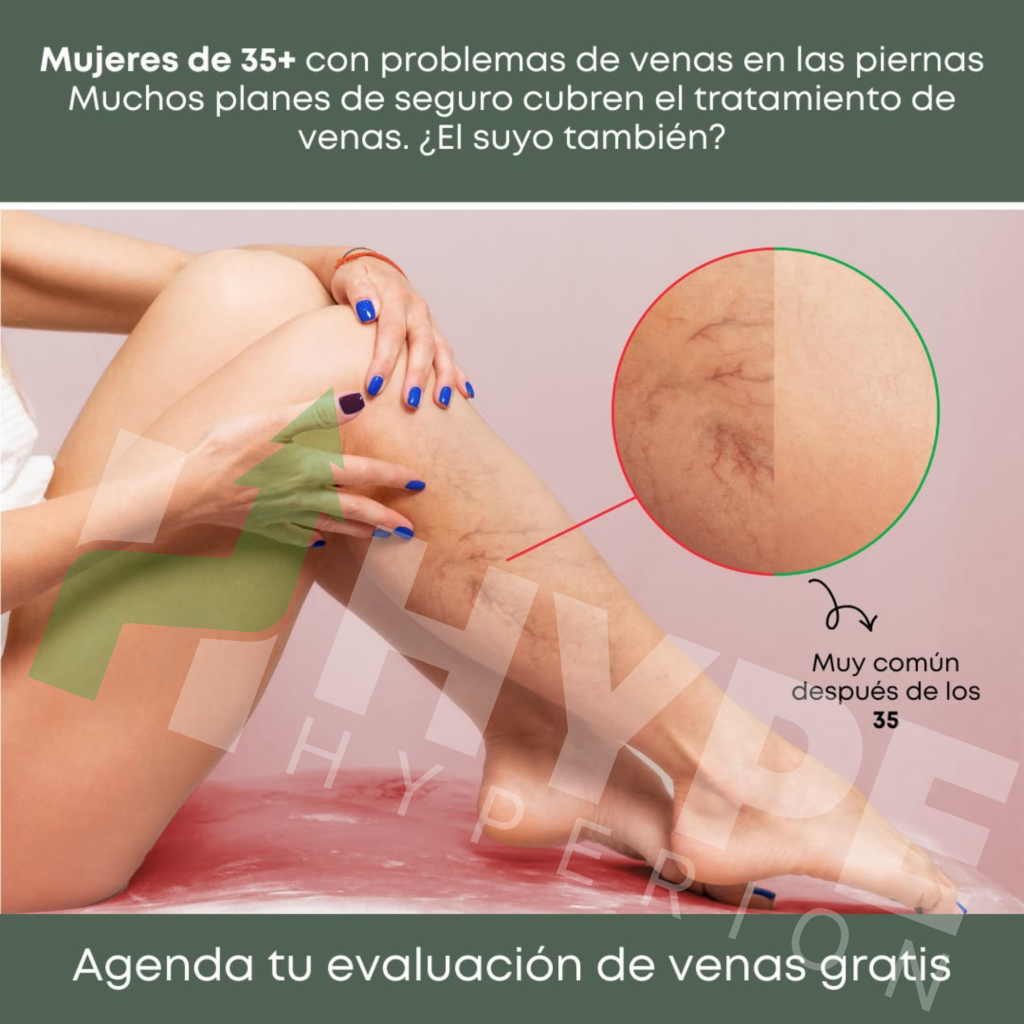
We moved from static symptom-based ads to an AI-assisted animated explainer video that taught patients what was actually happening inside their veins.
The result was a drop from $18 CPL to $10 CPL, a 45% improvement with the same audience, same targeting, and same lead form.

🩺Why Symptom-Based Ads Could Only Go So Far
The previous campaigns focused on symptoms and clinic services. They talked about things patients already recognized, such as swollen legs, aching veins, skin changes, and visible varicose veins. That kind of advertising for vein clinic campaigns can generate leads because it speaks to a problem people can feel or see.
But it still leaves one important question unanswered: why is this happening?
Many patients do not fully understand what varicose veins are at a biological level. Most assume the swelling, aching, or restless nights are just part of getting older or being on their feet all day. When people do not understand the root cause, they often delay treatment because they assume the problem is normal or not serious enough to get checked.
🧠The Missing Piece Was Understanding
Many people had already tried compression socks, leg elevation, creams, or other temporary fixes. Those options may provide short-term comfort, but they do not explain why the problem keeps coming back. When the symptom returns again and again, patients often feel frustrated but still unsure if a clinic visit will actually be different.
That gap between feeling the symptom and understanding the cause creates hesitation. If someone thinks their symptoms are just normal aging, they may not feel enough urgency to book an appointment. If they do not understand that the issue may be connected to vein function under the skin, treatment can feel like “another thing to try” instead of a logical next step. The campaign needed to close that gap between feeling the symptom and understanding the cause.
🎓Teaching the Root Cause Changed the Conversation
The new campaign shifted from symptom awareness to root-cause education. Instead of simply saying, “Do you have leg pain or varicose veins?” the video explained what happens inside the vein when valves stop working properly. It showed how blood that should move upward can pool downward when those valves fail.
That changed the way the audience saw the problem. The ad stopped pointing at symptoms and started explaining why those symptoms keep coming back despite surface-level remedies. When patients understand that the issue is happening beneath the skin, professional treatment starts to feel more relevant.
The core idea was simple: what you see on the surface is not the full problem. The real issue may be happening inside the vein valves themselves. A cream or compression sock cannot fix what is happening inside the vein.
💡Three Ideas That Made the Video More Persuasive
The first idea was explaining what causes varicose veins beneath the skin. The video showed that the issue is not only about what the leg looks like on the outside. It helped the viewer understand that vein valve malfunction can affect blood flow and contribute to symptoms like swelling, aching, visible veins, and discomfort.
The second idea was showing why temporary remedies do not fix the problem. This mattered because many patients had already tried the obvious solutions and felt disappointed when the symptoms came back. By explaining that those remedies do not address the source of the issue, the video helped reframe the clinic visit as a more serious and useful next step.
The third idea was demonstrating how ultrasound helps identify the real source of the issue. This made a clinic visit feel like a logical next step instead of another shot in the dark. Instead of asking patients to trust a generic promise, the video showed that the clinic can look beneath the surface and find what is actually causing the symptoms.
🎥Why Animation Worked Better Than Static Images
Complex medical concepts are hard to explain in a static image. A graphic can show symptoms, highlight visible veins, or promote a screening, but it cannot easily show how blood flow changes when vein valves stop working properly. For this kind of message, the audience needed to see the process, not just read about it.
That is why the animated explainer format worked so well. HYPE Hyperion Digital used AI-generated medical illustrations and animation to make the concept visual. The video showed healthy blood flow, valve function, and what happens when the valves stop working the way they should.
Example:
This turned a complex internal process into something a viewer could understand in under a minute. It did not feel like an ad. It felt like something worth watching. That matters because when a medical ad teaches someone something they did not know about their own body, it earns attention in a much stronger way than a basic promotional image.
📊What Changed After Patients Understood the Problem
The performance shift was clear. Before the explainer video, the campaign was sitting around an $18 CPL after previous copy improvements. After introducing the animated root-cause education angle, CPL dropped to $10.
The important part is that the audience, targeting, and lead form stayed the same. We did not rebuild the entire campaign or change the funnel. The meaningful change was the creative format and the angle. Instead of leading with symptoms alone, the new ad helped patients understand why those symptoms were happening.
| Campaign Element | Before | After |
| Creative Format | Static image ads | AI-assisted animated explainer video |
| Ad Angle | Symptom awareness | Root-cause education |
| CPL | $18.00 | $10.00 |
| Improvement | – | 45% reduction |
The numbers showed that education made the audience more likely to take action. The video did not just tell people they had a problem. It helped them understand the problem well enough to see why treatment could matter.
✅From Curiosity to Confidence
People who completed the lead form after watching the explainer video were not just casually curious. They had seen a simple explanation of what could be causing the symptoms they had been living with. That changed the intent behind the form submission.
Instead of thinking, “Maybe I should learn more,” they were more likely thinking, “This finally explains what has been happening.” That is a much stronger mindset for a lead to have when they enter the pipeline. The video gave them enough understanding to feel more confident that a clinic visit could address something home remedies never fully solved.
🚀The Biggest Lesson from This Campaign
The biggest lesson is simple:
Educational advertising often beats promotional advertising when people do not fully understand their problem.
A symptom-based ad can make someone recognize an issue. But a root-cause explainer helps them understand why the issue keeps happening and why the solution needs to go deeper than temporary relief. That understanding builds trust because the clinic is not just selling treatment. It is helping the patient make sense of their own experience.
For Inland Vein & Wound Specialists the animated explainer video turned a good campaign into a better one. The campaign was already working at an $18 CPL, but by teaching the root cause, HYPE Hyperion Digital brought CPL down to $10 without changing the audience, targeting, or lead form.
This approach works in any industry where people live with a problem but do not understand the cause well enough to act on it. Foundation repair, HVAC, structural damage, chronic medical symptoms — the same principle applies. When education removes uncertainty, the service naturally becomes the next logical step.