📱 Facebook Advertising for Vein Clinic: Inside the $18 Lead Engine for The Vein Place
Advertising for cosmetic surgery and medical clinics on Meta is hard because people do not casually trust health ads in their feed. Advertising for cosmetic surgery, vein treatment, or any patient-focused service has one major problem from the start: the audience is cautious before they even read the offer.
That was the challenge with The Vein Place OC.
The original campaign leaned heavily on insurance coverage, eligibility, and administrative clinic messaging. On paper, that sounds practical. In the ad account, it failed because it made the process feel cold, clinical, and complicated before the patient had a reason to care.
This case study breaks down how HYPE Hyperion Digital introduced two new human-centered creative angles for The Vein Place. One angle focused on confidence and appearance. The other focused on direct symptoms like leg pain, swelling, and varicose veins. Together, inside one ad set, these two angles dropped CPL from $70.74 to $18.73 and turned a stiff medical campaign into a real patient lead engine.
📈 Fighting High Competition with Facebook Ads for Vein Clinic Scaling
The client was The Vein Place OC, a specialized vein and vascular clinic serving patients in Orange County, California. The campaign focused on a Spanish-speaking audience of women 35+ within a 10-mile radius of Santa Ana, targeting concerns around varicose veins, leg pain, swelling, and restless leg symptoms.
This is a competitive market because vein treatment sits in a space where patients often compare multiple clinics, delay action, and need trust before booking. The audience is not just shopping for a service. They are dealing with a visible or uncomfortable health concern that may affect how they feel, move, dress, and live every day.
The goal was to break through local noise and create a steady stream of patient inquiries without burning through the testing budget. Instead of forcing the campaign to work harder with more spend, we changed the message. Instead of opening with coverage and eligibility, we shifted the message toward the real reasons a patient would stop scrolling and think, “Okay, this is for me.”
🛑 The Problem of Medical Marketing on Meta
🤝 The Trust Barrier: Why cold health ads get skipped
Healthcare ads have a built-in trust problem. Nobody sees a health-related ad in their feed and instantly thinks, “Yes, this brand definitely deserves my trust.” People are naturally protective of their bodies, their symptoms, and their medical decisions, so they do not respond to healthcare ads the same way they respond to a restaurant, gym, or home service offer. If the creative feels too corporate, too cold, or too clinical, the user immediately puts up a wall.
This is why an advertisement for clinic services cannot sound like a policy document. It has to feel clear, human, and relevant to what the patient is already experiencing. On Meta, people are not searching for a doctor in that moment. They are scrolling through their day, so the ad has to meet them with language that feels familiar enough to stop the scroll and safe enough to keep reading.
📉 The Mistake: Why the insurance angle fell flat
The old creative focused on insurance coverage and eligibility messaging. It led with the kind of information clinics often think patients need first: what may be covered, who may qualify, and how the process works. The problem was that this made the ad feel administrative before it felt helpful. The ad was basically saying, “Let’s talk eligibility,” while the patient was thinking, “Can we talk about my concerns first?”
That framing pushed the campaign to a painful $70.74 CPL with only 2 leads from $141.48 in spend. The audience treated it like another generic health notice because it did not connect to the discomfort or emotion behind the condition. Insurance details matter later, but when they show up too early, they signal paperwork, friction, and effort. That creates distance instead of conversions.
🧪 Testing Emotional Angles vs. Direct Symptoms in Varicose Vein Ads
✨ The Emotional Angle: Testing identity and appearance copy
The first new creative variation was the “Reclaim Your Confidence” angle. Instead of talking about clinic coverage or eligibility, it spoke to how visible vein conditions can affect a woman’s confidence, appearance, and daily life. This was not about making the issue feel shallow. It was about acknowledging that visible symptoms can change how someone feels in their own body.
Emotional Ad example:
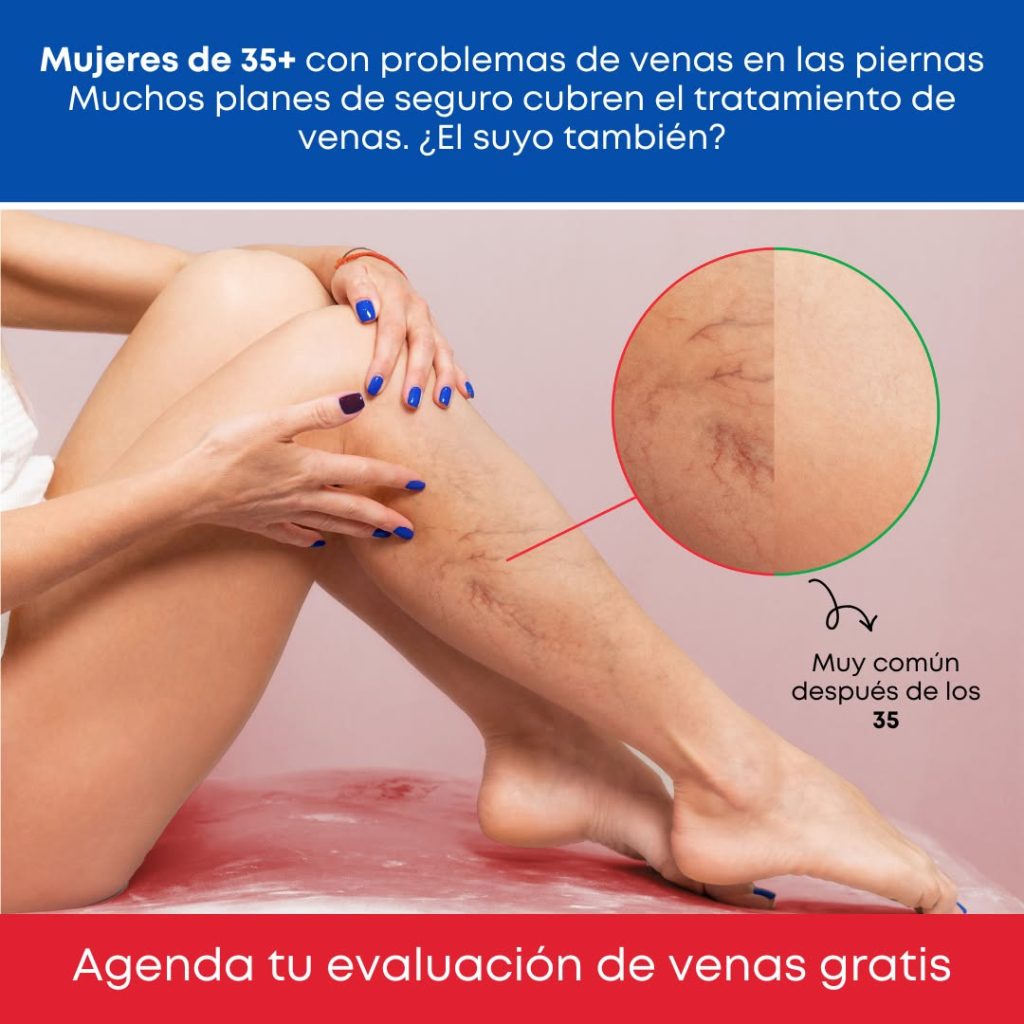
That emotional angle worked because it reached women who may not have fully framed their problem as a medical issue yet. They may have been thinking about how their legs looked, how they felt wearing certain clothes, or how much they had started hiding the condition. By speaking to identity first, the ad created a personal connection before asking for action. The CPL dropped to $14.80 and generated 2 leads, proving that emotion could break the trust barrier faster than clinic-first copy.
🎯 The Direct Symptom Angle: Capturing high-volume demand
The second creative variation was more direct. It named the symptoms clearly: leg pain, swelling, and varicose veins. There was no complicated terminology, no heavy medical language, and no attempt to sound overly polished.
This angle worked because it captured women who already knew what they were dealing with. They did not need a confidence-based message to help them recognize the problem. They needed a clear ad that said, “Yes, this is the issue, and there is a place that can help.” This direct symptom angle became the volume driver, generating 9 out of the 11 total leads at a stable $19.61 CPL.
💥 How a single ad set triggered a 73% drop in costs
The biggest win came from running both angles together inside the same ad set. We did not overcomplicate the account with separate campaigns, heavy audience splits, or a messy testing structure. We let Meta see both angles and find the people most likely to respond to each one.
The emotional ad reached women who needed a personal connection before thinking about treatment. The symptom-based ad reached women who were already aware of their discomfort and ready to look for relief. Together, those two mindsets created a stronger campaign than either angle could have created alone. The combined ad set brought CPL down from $70.74 to $18.73, generating 11 leads from $206.08 in spend and creating a 73% drop in costs.
💡 Lessons from Advertising for Cosmetic Surgery and Vein Medical Brands
💃 Treating appearance as identity, not vanity
The emotional test showed an important lesson for medical brands that deal with visible conditions. When a condition affects how someone looks, it can also affect how they feel about themselves. That does not make the concern vain or superficial.
ADS examples:

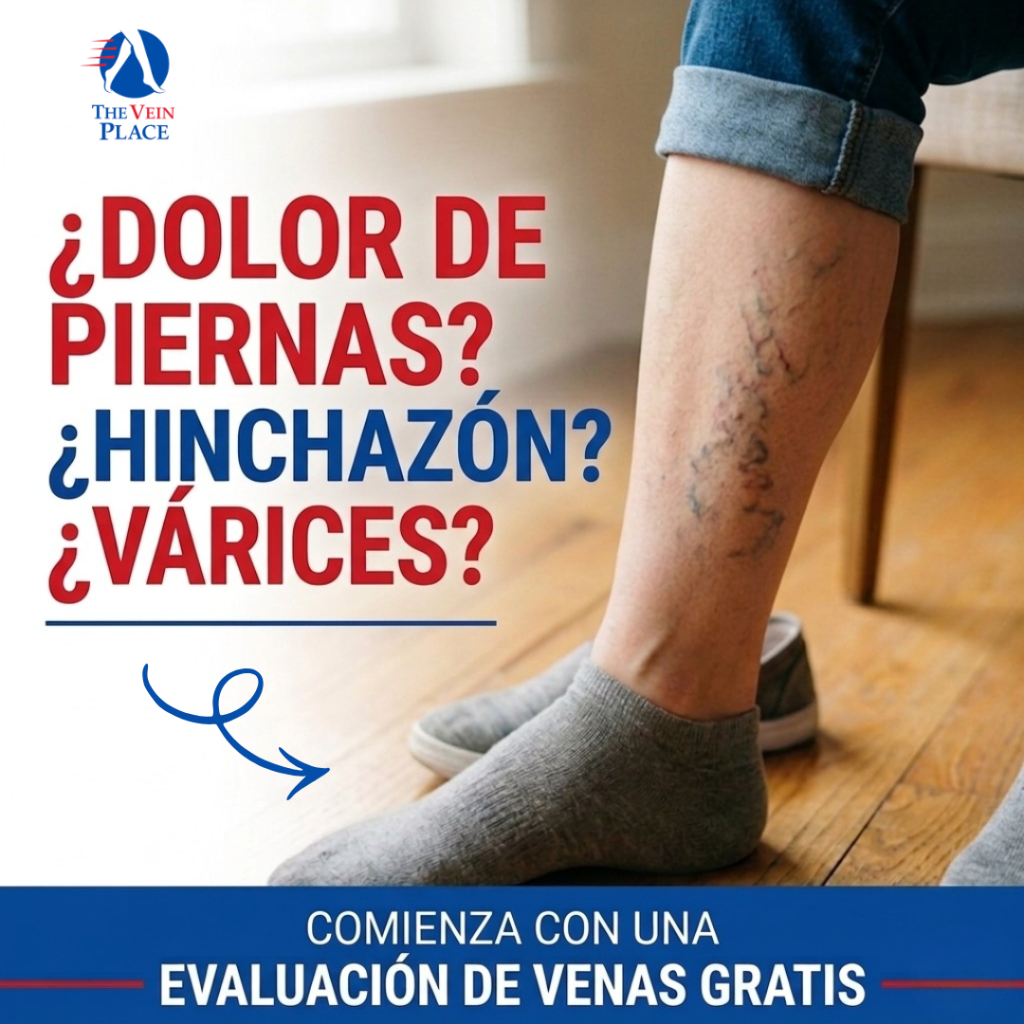
For varicose vein ads, the “Reclaim Your Confidence” angle worked because it respected the emotional side of the problem. It did not just say, “Here is a treatment.” It reflected how the condition can affect confidence, clothing choices, social comfort, and daily self-image. That kind of copy makes the patient feel seen, which is often the first step toward trust.
🗣️ Ditching clinical jargon for normal speech
The direct symptom ads worked because they used the same language patients use in real life. People do not usually describe their discomfort with technical medical terms when talking to a friend. They say things like “my legs hurt,” “my legs feel swollen,” or “these veins are getting worse.”
That simple language removed friction from the ad. The audience did not have to translate the message or wonder if it applied to them. It felt familiar right away, which made it easier to take the next step. For medical ads, clarity often beats complexity because the patient is already carrying enough uncertainty.
📑 Leading with patient relief over clinic paperwork
The ultimate rule for health and medical clients is simple: lead with the patient’s life, not the clinic’s process. Insurance coverage, eligibility, and appointment details are important, but they should not be the first emotional impression. When those details appear too early, the ad feels like work.
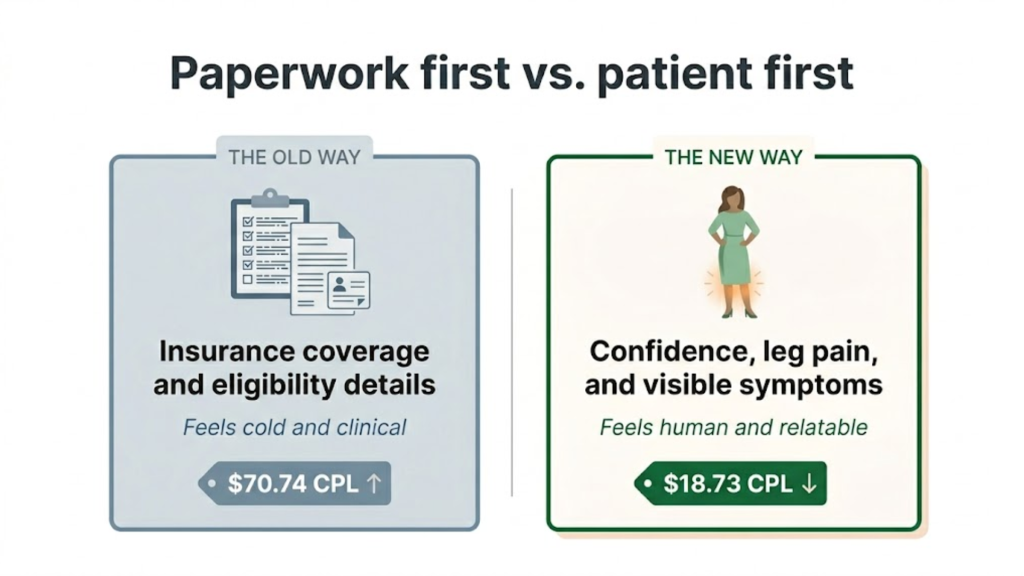
A better approach is to lead with relief. Talk about the discomfort the patient wants to reduce, the confidence they want back, or the daily problem they want solved. Once the person feels understood, the practical details can support the decision later in the funnel. In this campaign, patient-first messaging did what administrative copy could not do: it made the audience care before asking them to convert.
📊 Before and After the Split Test
This is what the actual results look like in the ad account.
The difference between the old approach and the new creative strategy was clear. The old insurance angle gave the audience information, but it did not create enough emotional or symptom-based urgency. The new angles spoke to the patient’s real life, and the numbers changed quickly.
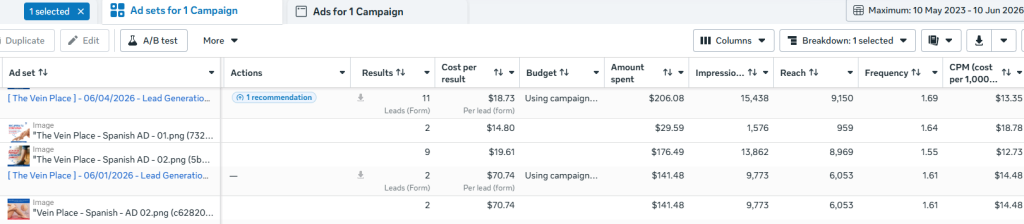
| Metric / Angle | Cost Per Lead (CPL) | Results & Spend |
| Old Approach: Insurance & Eligibility | $70.74 | 2 leads, $141.48 total spend |
| New Angle 1: Emotional, “Reclaim Your Confidence” | $14.80 | 2 leads |
| New Angle 2: Direct Symptoms, Pain & Swelling | $19.61 | 9 leads |
| New Ad Set: Combined Hybrid Setup | $18.73 | 11 leads, $206.08 total spend |
| The Big Win: CPL Improvement | $70.74 → $18.73 | 73% drop in costs |
The most important part is not just that the CPL dropped. It is why it dropped. The campaign stopped treating the audience like insurance applicants and started speaking to them like real patients.
The emotional angle created connection. The symptom angle created clarity. Together, they helped the campaign capture two different levels of awareness without making the setup complicated. That is why the combined ad set was able to produce patient inquiries at a much healthier cost.
🏆 The Ultimate Rule for Scaling Medical Ads on Meta
The main takeaway is clear: health and medical marketing scales when you stop acting like an insurance bureaucracy and start writing like a human who understands the patient’s reality.
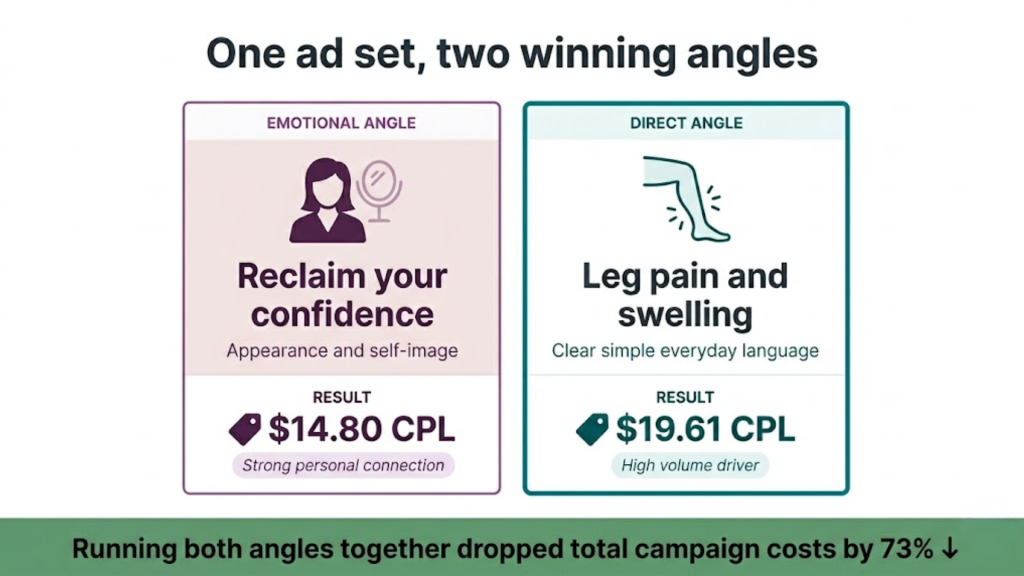
If the ad opens with process, paperwork, and eligibility, people feel the effort before they feel the value. If you lead with real life impact, visible symptoms, confidence, discomfort, and relief, the audience has a reason to stop and listen.
For The Vein Place, the winning shift was not a bigger budget or a more complicated campaign structure. It was a better message. The campaign moved from coverage-first copy to patient-first copy, and that one shift turned a $70.74 CPL into an $18.73 lead engine.
A major thank you to the team at The Vein Place OC for trusting us with their data and letting us pull back the curtain on these performance metrics.